
If you’re craving a dish that’s both deeply comforting and full of homey charm, this Glossy Japanese Pork and Potato (Nikujaga) Recipe is exactly what you need. Imagine tender slices of pork mingling with soft, melt-in-your-mouth potatoes and sweet onions, all cooked in a beautifully glossy, sweet-savory sauce that hits every note perfectly. It’s a beloved Japanese classic that warms the soul and satisfies the appetite, with simple ingredients that come together to create something truly special. Whether you’re new to Japanese cooking or a seasoned enthusiast, this dish brings a delightful, glossy shine to your dinner table and a taste that lingers in the best way possible.
Ingredients You’ll Need
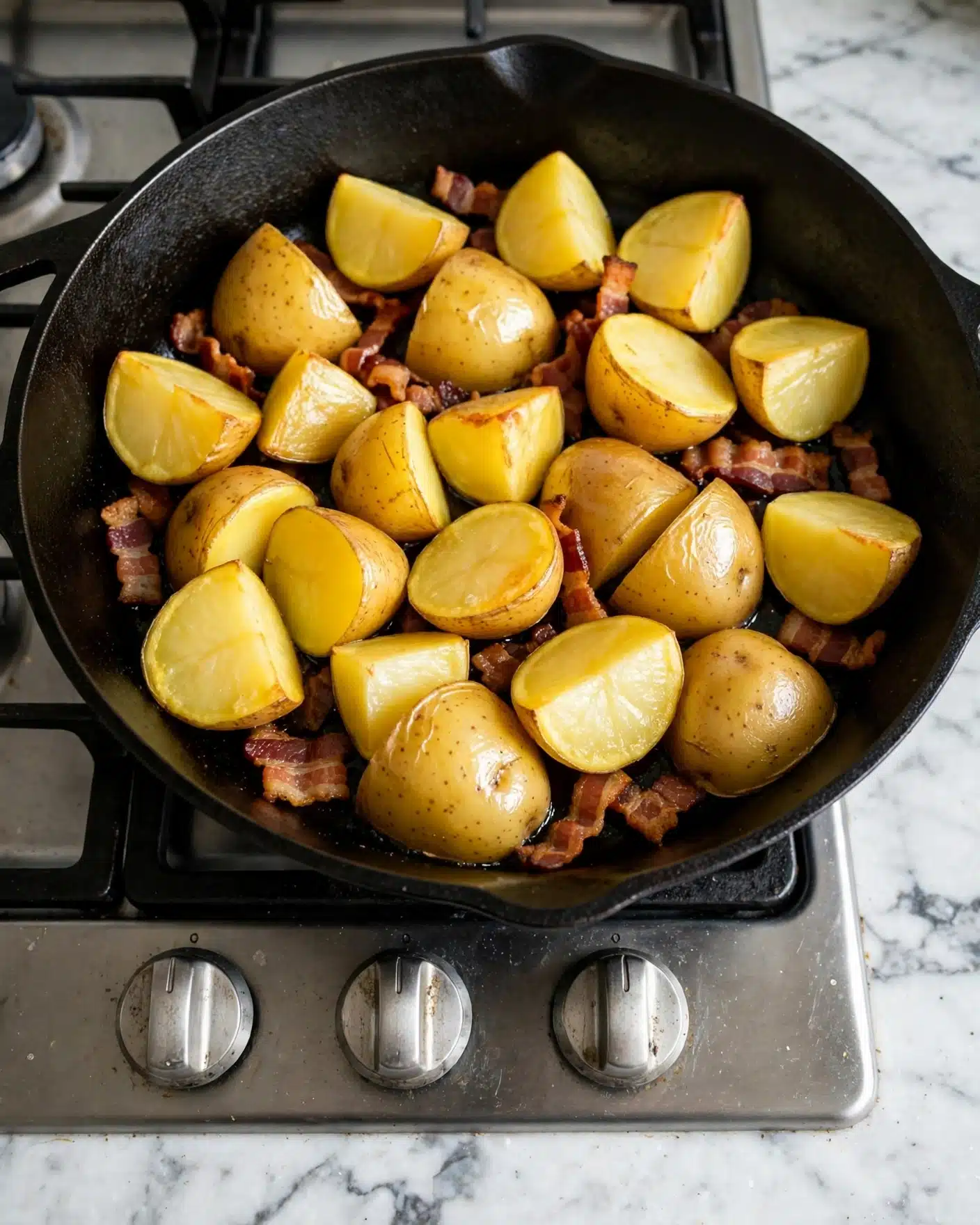
This Glossy Japanese Pork and Potato (Nikujaga) Recipe shines because of its straightforward, carefully chosen ingredients. Each one plays a crucial role: the pork adds richness, potatoes bring comforting texture, and the fragrant combination of soy sauce, mirin, and sugar creates that signature glossy, sweet-savory finish.
- 300 g thinly sliced pork (pork belly or shoulder): Choose good quality pork for tender, flavorful bites that melt in your mouth.
- 3 medium potatoes, peeled and cut into chunks: Use starchy potatoes so they absorb the sauce beautifully without falling apart.
- 1 onion, sliced: Adds natural sweetness and depth once softened through cooking.
- 1 carrot, sliced (optional): Offers a mild sweetness and a lovely pop of color to the dish.
- 2 cups dashi stock (or water): The backbone of umami; dashi adds complexity, but water works in a pinch.
- 2 tablespoons soy sauce: Brings saltiness and rich savoriness essential to nikujaga’s signature flavor.
- 2 tablespoons mirin: This sweet rice wine adds a gentle sweetness and glossy shine to the sauce.
- 1 tablespoon sugar: Balances the savory with sweetness, helping create that irresistible glaze.
- 1 tablespoon sake (optional): Enhances aroma and flavor depth but can be skipped if you prefer alcohol-free.
- 1 tablespoon vegetable oil: For sautéing the pork to a lovely light brown before simmering.
How to Make Glossy Japanese Pork and Potato (Nikujaga) Recipe
Step 1: Brown the Pork
Begin by heating the vegetable oil over medium heat in a pot, then add the thinly sliced pork. Cook it until it just starts to turn golden and releases its rich aroma. Browning the pork well is key—it locks in flavor and builds the savory base that will infuse the entire dish.
Step 2: Cook the Onions
Next, toss in the sliced onions and sauté them with the pork. You want them to soften and start to caramelize slightly, which lends a natural sweetness that complements the savory pork. This early stage layers flavor that becomes more harmonious as it simmers together.
Step 3: Add Potatoes and Carrots
Now, add the peeled and chunked potatoes along with the optional carrots. These vegetables absorb all the savory juices during cooking, so choosing the right size of potato chunks is important to ensure they cook through evenly without losing shape.
Step 4: Pour in Dashi Stock and Simmer
Pour in the dashi stock (or water if you’re using that), then bring everything up to a simmer. As it heats, skim off any foam that rises to the surface to keep the broth clear and the flavors clean. This step is gentle but crucial for that perfect texture.
Step 5: Add Seasonings and Cover
Stir in the soy sauce, mirin, sugar, and sake if using. Mix everything thoroughly so the pork and vegetables are evenly coated. Cover the pot with a lid and let it gently simmer on low heat for about 20 to 25 minutes until the potatoes become tender and soak up all the delicious sauce.
Step 6: Create That Glossy Finish
Remove the lid and continue simmering for a few more minutes. This final simmer evaporates extra liquid and concentrates the sauce, giving the dish that signature glossy sheen that catches the eye and promises rich, complex flavor with every bite.
How to Serve Glossy Japanese Pork and Potato (Nikujaga) Recipe
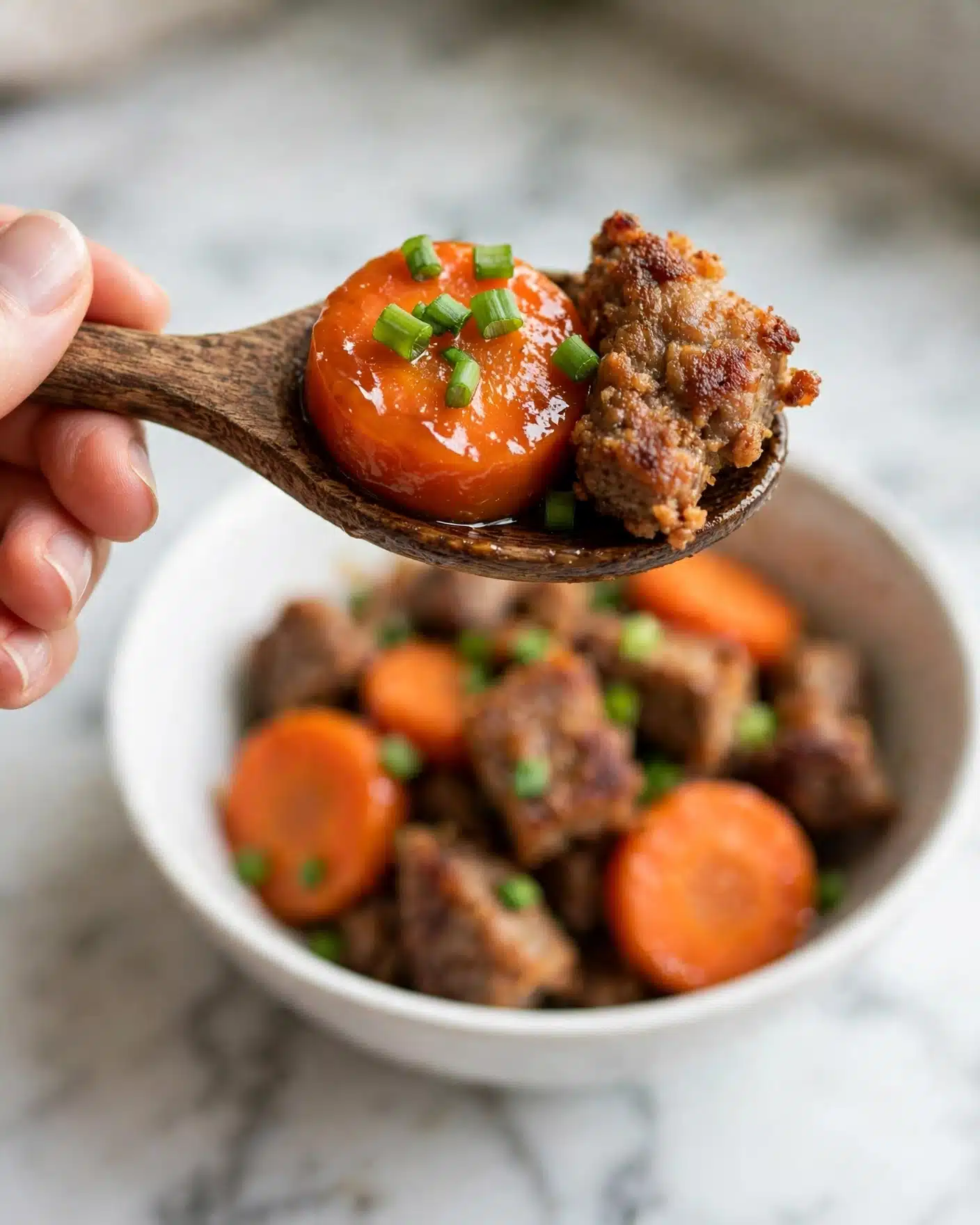
Garnishes
A sprinkle of finely sliced green onions or a few sprigs of fresh parsley adds a fresh, bright contrast to the richness of the nikujaga. For a traditional touch, a handful of pickled ginger on the side also lifts the dish beautifully.
Side Dishes
This hearty main pairs wonderfully with simple steamed rice, which helps soak up the luscious sauce. You can also serve it alongside a crisp cucumber salad or some sautéed greens to balance the warm, savory flavors with refreshing crispness.
Creative Ways to Present
For a modern twist, try serving the Glossy Japanese Pork and Potato (Nikujaga) Recipe in individual mini cocotte pots or decorative bowls to impress guests. You can also spoon the stew over a bed of fluffy mashed potatoes or creamy polenta for a fusion-style presentation that’s both comforting and unexpected.
Make Ahead and Storage
Storing Leftovers
Once cooled, transfer your nikujaga to an airtight container and refrigerate. The flavors actually deepen overnight, making leftovers even more delicious the next day. Consume within 2 to 3 days for the best taste and freshness.
Freezing
You can freeze this dish, but keep in mind that the potatoes might become a bit softer after thawing. To preserve texture, freeze the stew without the potatoes and add freshly cooked ones when reheating. Always cool completely before freezing in a sealed container or freezer bag.
Reheating
Reheat gently on the stove over low heat, stirring occasionally so the sauce stays glossy and smooth. Adding a splash of water or dashi can help loosen the sauce if it has thickened too much. Microwave reheating works well too, just cover and heat in short bursts, stirring in between.
FAQs
Can I substitute beef for pork in this recipe?
Absolutely! While this Glossy Japanese Pork and Potato (Nikujaga) Recipe traditionally uses pork, thinly sliced beef works wonderfully. Just adjust cooking times slightly and enjoy that classic beefy nikujaga flavor.
What type of potatoes work best?
Starchy potatoes like Russet or Yukon Gold are ideal because they absorb the sauce beautifully while holding their shape. Avoid waxy potatoes, which may stay too firm and not meld with the flavors as well.
Is dashi stock necessary, or can I use water?
Dashi stock enriches the umami profile and authenticity of nikujaga, but if you don’t have any on hand, water works fine. You might want to add a little extra soy sauce or a pinch of umami powder to boost the flavor in that case.
How can I make this dish vegetarian?
To keep that comforting essence, substitute pork with hearty mushrooms or tofu, and replace dashi with kombu (kelp) broth. You’ll still get deep, savory notes in a plant-based version of this glossy stew.
Why does the sauce become glossy and thick?
Simmering the dish uncovered at the end evaporates excess liquid while the sugar and mirin form a glaze, creating that beautiful shiny finish characteristic of authentic nikujaga.
Final Thoughts
I genuinely can’t recommend this Glossy Japanese Pork and Potato (Nikujaga) Recipe enough—it’s one of those dishes that feels like a warm hug in bowl form. Perfect for any day you want something familiar but special, it’s as rewarding to cook as it is to eat. So grab your ingredients, get your pot ready, and enjoy every glossy, tender bite with the people you love. You’ll find yourself coming back to this recipe again and again.
Print
Glossy Japanese Pork and Potato (Nikujaga) Recipe
- Total Time: 45 minutes
- Yield: 3 servings
Description
Nikujaga is a classic Japanese comfort food that features tender slices of pork, soft potatoes, and onions simmered gently in a glossy, sweet-savory sauce made from soy sauce, mirin, sugar, and a touch of sake. This home-style dish is perfect for a warming meal and captures the essence of traditional Japanese flavors.
Ingredients
Main Ingredients
- 300 g thinly sliced pork (pork belly or shoulder)
- 3 medium potatoes, peeled and cut into chunks
- 1 onion, sliced
- 1 carrot, sliced (optional)
Cooking Liquids and Seasonings
- 2 cups dashi stock (or water)
- 2 tablespoons soy sauce
- 2 tablespoons mirin
- 1 tablespoon sugar
- 1 tablespoon sake (optional)
- 1 tablespoon vegetable oil
Instructions
- Heat Oil and Sauté Pork: In a pot, heat the vegetable oil over medium heat. Add the thinly sliced pork and cook until lightly browned and starting to release its flavor, stirring occasionally to prevent sticking.
- Add Onions: Add the sliced onions to the pot and continue to sauté until they become slightly softened and translucent, enhancing their sweetness.
- Add Root Vegetables and Stock: Incorporate the peeled, chunked potatoes and sliced carrots into the pot. Pour in the dashi stock or water, ensuring the ingredients are submerged to allow even simmering.
- Simmer and Skim Foam: Bring the mixture to a simmer over medium heat. As it starts to simmer, skim off any foam or impurities that rise to the surface to achieve a clear, clean broth.
- Add Seasonings: Stir in the soy sauce, mirin, sugar, and optional sake. These ingredients will create the sweet-savory, glossy sauce typical of nikujaga.
- Cover and Simmer Gently: Reduce the heat to low, cover the pot, and let it simmer gently for 20 to 25 minutes, or until the potatoes are tender and fully cooked through.
- Reduce Sauce: Remove the lid and continue to simmer for a few more minutes, allowing the sauce to thicken and become glossy, coating the ingredients beautifully.
- Serve Warm: Once the sauce has reduced and the flavors melded, serve the nikujaga warm, ideally with a bowl of steamed rice for a comforting meal.
Notes
- Letting the dish rest for a few minutes after cooking helps the flavors absorb more deeply into the meat and vegetables.
- If you have one, using a drop lid (otoshibuta) during simmering ensures even cooking and better flavor penetration.
- Adjust sweetness or saltiness by modifying sugar and soy sauce amounts according to taste preferences.
- Carrots are optional but add nice color and slight sweetness to the dish.
- Prep Time: 15 minutes
- Cook Time: 30 minutes
- Category: Main Course
- Method: Stovetop
- Cuisine: Japanese


