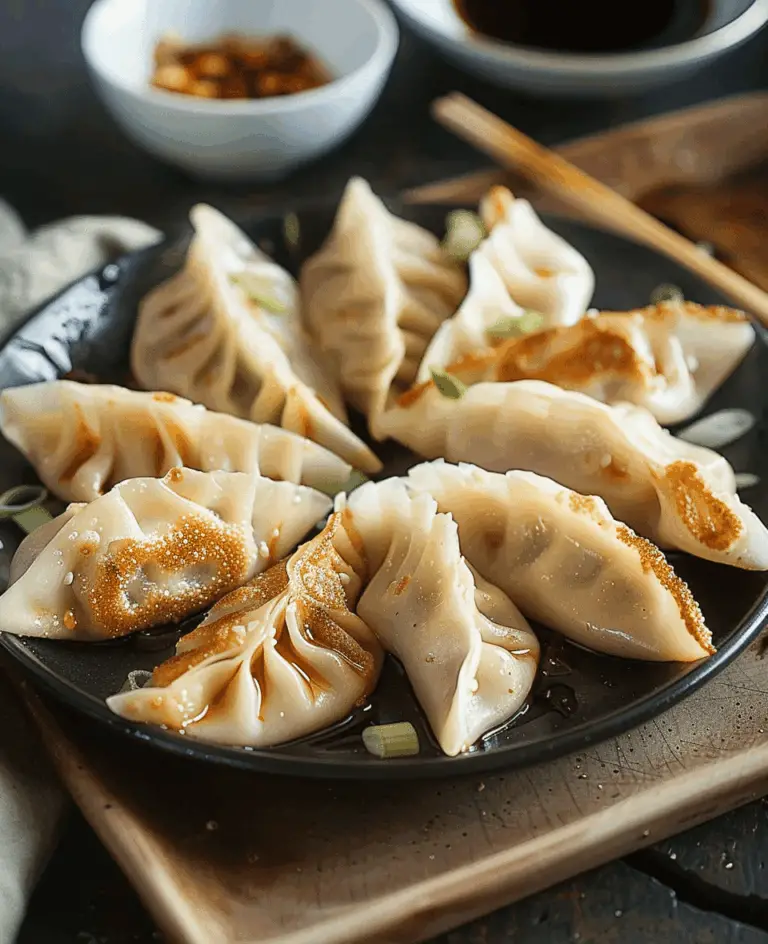
If you have ever dreamed of bringing the vibrant flavors of your favorite sushi bar right into your kitchen, then you are in for a treat with this Homemade Salmon and Tuna Sushi Rolls with Fresh Vegetables Recipe. Combining the silky texture of sushi-grade salmon and tuna with crisp, colorful fresh vegetables, wrapped neatly in seasoned Japanese rice and nori, this recipe turns a simple meal into a joyful culinary adventure. Each bite delivers a perfect harmony of freshness, umami, and a subtle tang from the seasoned rice, making it an irresistible dish for sushi lovers and novices alike.
Ingredients You’ll Need

To create the perfect sushi rolls, you don’t need a long list of fancy ingredients. These simple essentials each bring something special to the table, from the comforting stickiness of Japanese rice to the refreshing crunch of fresh vegetables and the rich, silky texture of premium fish.
- Japanese short-grain sushi rice (2 cups): The foundation of your sushi, providing the perfect sticky but tender texture needed to hold everything together.
- Water (2 1/4 cups): Essential for cooking the rice evenly and softly.
- Rice vinegar (1/4 cup): Adds a subtle tang and shine to the rice, balancing the flavors throughout the roll.
- Sugar (2 tablespoons): Rounds out the acidity of vinegar, bringing a gentle sweetness to the rice.
- Salt (1 teaspoon): Enhances all the flavors, making the sushi rice irresistibly tasty.
- Nori sheets (5): These seaweed sheets provide a slightly briny, crisp wrap that holds your roll together and adds umami.
- Sushi-grade salmon or tuna (8 ounces): Thinly sliced for that melt-in-your-mouth quality and fresh ocean flavor.
- Avocado (1, sliced): Creamy texture and mild flavor that complements the fish perfectly.
- Cucumber (1/2, thinly sliced strips): Adds a refreshing crunch and contrast within the roll.
- Shredded carrots (1/4 cup): Bright color and a light sweetness brighten the flavor profile.
- Sesame seeds (2 tablespoons): Toasted for a nutty finish and added texture.
- Soy sauce, wasabi, pickled ginger: Classic accompaniments to elevate each bite with salty, spicy, and tangy notes.
- Spicy mayo (optional): A creamy, spicy kick if you want to add a little extra personality to your sushi.
How to Make Homemade Salmon and Tuna Sushi Rolls with Fresh Vegetables Recipe
Step 1: Prepare the Sushi Rice
Start by rinsing the sushi rice several times in cold water until it runs mostly clear. This step removes excess starch and prevents overly sticky rice. Cook the rice with water following the package instructions, then let it cool until it’s just warm enough to handle.
Step 2: Season the Rice
While the rice is cooling, mix rice vinegar, sugar, and salt until dissolved. Gently fold this mixture into the warm rice with a wooden spoon or spatula to coat it evenly. This seasoning gives your rice that classic sushi balance of sweet and tangy flavors.
Step 3: Prepare Your Rolling Station
Place a sheet of nori shiny-side down on a bamboo sushi mat. Having a clean workspace and gentle hands makes rolling smoother and less stressful. Wet your hands lightly to keep the rice from sticking and spread a thin, even layer of sushi rice over the nori, leaving about an inch uncovered at the top edge to seal the roll.
Step 4: Add the Fillings
Arrange thin slices of salmon or tuna, avocado, cucumber strips, and shredded carrots in a horizontal line across the lower third of the rice. Keep the filling balanced but not overcrowded—your rolls will be easier to shape and slice perfectly this way.
Step 5: Roll the Sushi
Use the bamboo mat to tightly roll the sushi forward, applying gentle but firm pressure to keep everything compact. Moisten the top exposed nori edge with a little water to seal your roll securely. Taking your time here ensures neat, professional-looking sushi.
Step 6: Slice and Garnish
With a sharp knife dipped in water, slice each sushi roll into 6 to 8 bite-sized pieces. This prevents rice from sticking to the blade, giving you clean cuts. Finally, sprinkle the rolls with toasted sesame seeds for a nutty aroma and a lovely visual finish.
How to Serve Homemade Salmon and Tuna Sushi Rolls with Fresh Vegetables Recipe

Garnishes
The little extras make a big difference. Serve your rolls with soy sauce for a salty dip, wasabi for a kick of heat, and pickled ginger to cleanse the palate between bites. Offering a small bowl of spicy mayo adds a creamy, spicy layer that sushi fans adore.
Side Dishes
Complement your sushi rolls with simple, light sides like a crisp seaweed salad or miso soup. The clean flavors and warm broth create a well-rounded meal without overpowering the delicate sushi taste.
Creative Ways to Present
Turn your sushi into a feast for the eyes by arranging rolls on a wooden board with edible flowers or thin lemon slices. For a fun twist, serve a deconstructed sushi bowl filled with seasoned rice, fish, and fresh veggies in neat sections for guests to mix as they please. Presentation always elevates the experience!
Make Ahead and Storage
Storing Leftovers
Store leftover sushi rolls in an airtight container in the refrigerator for up to 24 hours. Because of the fresh fish and moisture in the vegetables, sushi is best eaten promptly, but wrapping tightly helps keep rolls fresh and flavorful until enjoyed again.
Freezing
Freezing sushi rolls is not recommended, especially those with raw fish and fresh vegetables, as the texture will degrade and become watery or mushy upon thawing. For the best experience, enjoy your Homemade Salmon and Tuna Sushi Rolls with Fresh Vegetables Recipe fresh.
Reheating
Since sushi is traditionally served cold or at room temperature, reheating is generally avoided to preserve texture and flavor. If you must, allow refrigerated rolls to come to room temperature before serving, but fresh is always best!
FAQs
Can I use other types of fish in this recipe?
Absolutely! While this recipe highlights salmon and tuna, you can substitute with other sushi-grade fish like yellowtail or even cooked options like shrimp or crab for a different twist. Just make sure the fish is fresh and handled properly for safety and flavor.
What if I don’t have a bamboo sushi mat?
You can use a clean kitchen towel or even your hands to shape the rolls if a bamboo mat isn’t available. The mat helps roll tightly and evenly but with practice, you can still achieve great results without one.
How do I know if my fish is sushi-grade?
Look for reputable fishmongers or specialty stores that specifically label fish as sushi-grade or sashimi-grade. These have been handled and frozen under strict conditions to be safe for raw consumption.
Can I make these rolls vegetarian or vegan?
Yes! Simply omit the fish and add more fresh vegetables like bell peppers, asparagus, or marinated tofu for delicious, colorful rolls that everyone will love.
How long does it take to make this Homemade Salmon and Tuna Sushi Rolls with Fresh Vegetables Recipe?
From start to finish, including cooking and seasoning the rice, preparing fillings, and rolling, it takes about 50 minutes. It’s a fun project that’s totally worth the effort for such fresh, tasty sushi at home.
Final Thoughts
Making sushi at home is such a rewarding experience, and this Homemade Salmon and Tuna Sushi Rolls with Fresh Vegetables Recipe is a wonderful way to dive into that world. With just a few simple ingredients and a little patience, you can create sushi rolls that impress with each bite. Trust me, once you try it, you’ll love having the option to customize rolls exactly how you like them, all while enjoying the freshest flavors right in your own kitchen. Go ahead, roll up your sleeves and enjoy the delicious adventure!
Print
Homemade Salmon and Tuna Sushi Rolls with Fresh Vegetables Recipe
- Total Time: 50 minutes
- Yield: 5 rolls
- Diet: Pescatarian, Dairy-Free
Description
These homemade Sushi Rolls offer a delightful way to enjoy traditional Japanese sushi at home. Featuring seasoned sushi rice wrapped in nori seaweed with fresh vegetables and your choice of sushi-grade raw fish or cooked fillings, these rolls are perfect for appetizers, lunch, or main courses. With a balance of creamy avocado, crisp cucumber, and flavorful fish, they are both visually appealing and delicious.
Ingredients
For the Sushi Rice:
- 2 cups Japanese short-grain sushi rice
- 2 1/4 cups water
- 1/4 cup rice vinegar
- 2 tablespoons sugar
- 1 teaspoon salt
For the Rolls:
- 5 sheets nori (seaweed)
- 8 ounces sushi-grade salmon or tuna, thinly sliced
- 1 avocado, sliced
- 1/2 cucumber, cut into thin strips
- 1/4 cup shredded carrots
- 2 tablespoons sesame seeds
For Serving:
- Soy sauce
- Wasabi
- Pickled ginger
- Spicy mayo, optional
Instructions
- Prepare the Sushi Rice: Rinse the sushi rice several times with cold water until the water runs mostly clear to remove excess starch.
- Cook the Rice: Combine the rinsed rice and 2 1/4 cups water in a rice cooker or pot. Cook according to package directions until tender, then allow it to cool until slightly warm.
- Season the Rice: In a small bowl, mix rice vinegar, sugar, and salt until dissolved. Gently fold this mixture into the cooked rice to season it evenly without smashing the grains.
- Prepare for Rolling: Place one sheet of nori shiny-side down on a bamboo sushi mat. Wet your hands with water to prevent sticking and spread a thin, even layer of sushi rice over the nori, leaving about 1 inch uncovered along the top edge.
- Add Fillings: Horizontally arrange thin slices of salmon or tuna, avocado, cucumber strips, and shredded carrots across the lower third of the rice-covered nori.
- Roll the Sushi: Using the bamboo mat, tightly roll the sushi forward, applying gentle, even pressure to keep it compact.
- Seal the Roll: Moisten the exposed edge of the nori with a little water to seal the roll securely.
- Slice the Rolls: Use a sharp, damp knife to cut each roll into 6 to 8 bite-sized pieces, wiping the knife clean and damp between cuts to prevent sticking.
- Finish and Serve: Sprinkle sesame seeds over the cut sushi rolls and serve immediately with soy sauce, wasabi, pickled ginger, and optional spicy mayo.
Notes
- Always use properly handled sushi-grade fish when using raw fish to ensure safety.
- Keep your knife slightly damp when slicing sushi rolls to prevent rice from sticking and tearing.
- Avoid overfilling the rolls; too much filling can make rolling difficult and cause the roll to fall apart.
- For cooked sushi alternatives, try cooked shrimp, crab meat, smoked salmon, or tempura vegetables.
- Sushi rolls are best enjoyed soon after preparation to maintain optimal freshness and texture.
- Prep Time: 30 minutes
- Cook Time: 20 minutes
- Category: Main Course, Appetizer, Lunch
- Method: No-Cook, Stovetop
- Cuisine: Japanese